
2026 Competition Schedule
View the 2026 Competition schedule below. Click on any topic to view its definition and keep track of upcoming submission dates.
| Topic | Submit By | Critique Night |
|---|---|---|
| Creative or Juxtaposition | 19 January | 02 February |
| People / Portrait | 02 February | 02 March |
| Black and White | 02 March | 06 April |
| This is Australia | 06 April | 05 May |
| Photojournalism / Photo Travel | 11 May | 01 June |
| Minimalism | 01 June | 06 July |
| Open Colour | 06 July | 03 August |
| Portfolio of Five Printed Images | 03 August | 07 September |
| Nature | 07 September | 05 October |
| Red Apple or Portrait of a Person on a Chair | 05 October | 02 November |
| End of Year Photo | 02 November | 07 December |
Grades
Competitions are held across three competition grades to ensure members receive constructive feedback alongside photographers of a similar experience level.
| Grade | Digital | |
|---|---|---|
| A Grade | 2 Images | 1 Image |
| AB Grade | 2 Images | 2 Images |
| B Grade | 2 Images | 2 Images |
New members are generally placed in B Grade and may progress through the grades as their photography develops.
Competition Resources
Need more information?
Download the Competition Handbook for everything you need to know about entering Image Critiques, including topic definitions, submission requirements, image specifications and competition rules.
-
![]()
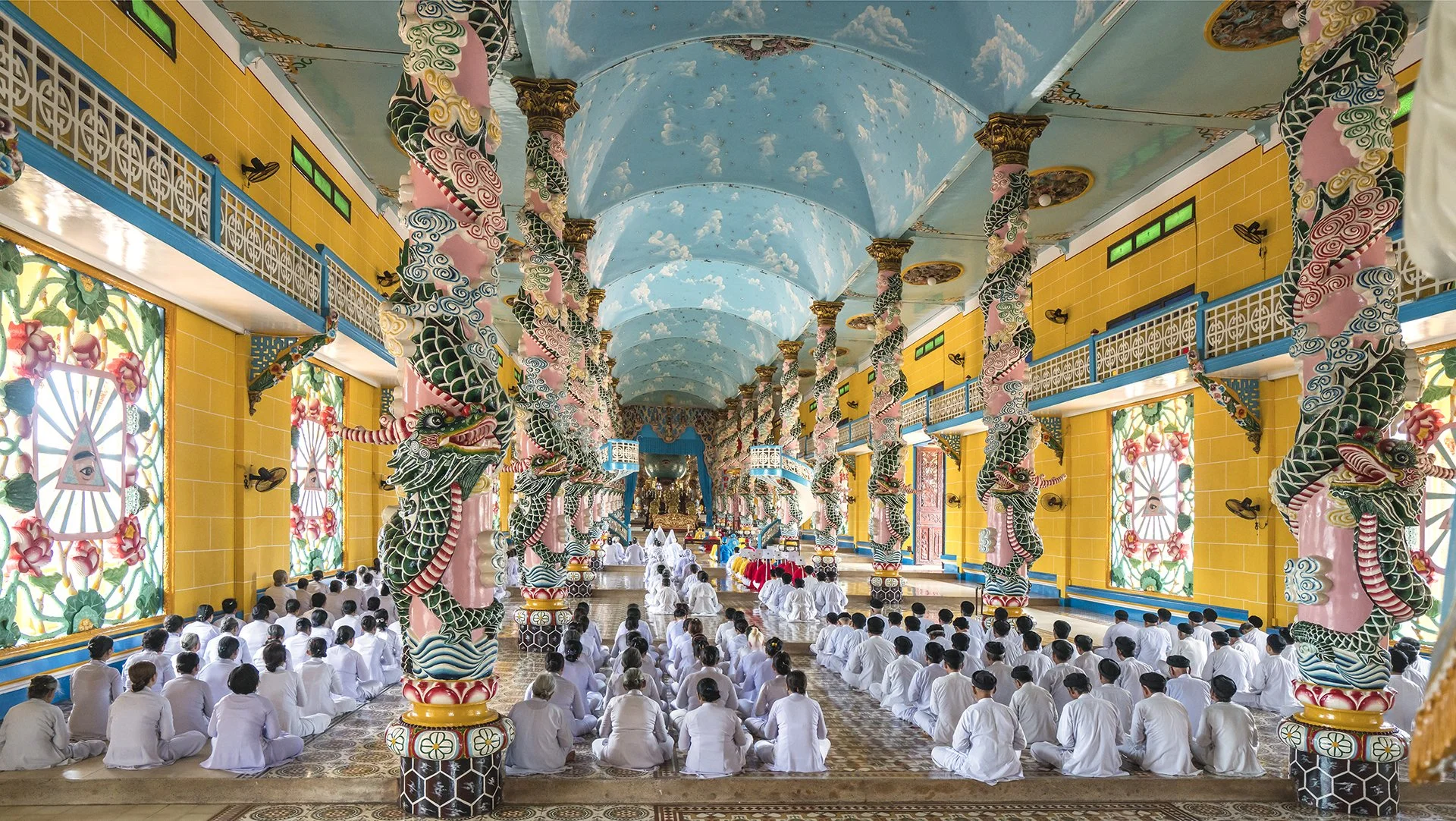
Cao Dai Temple Vietnam
Bob Darling
-
![]()
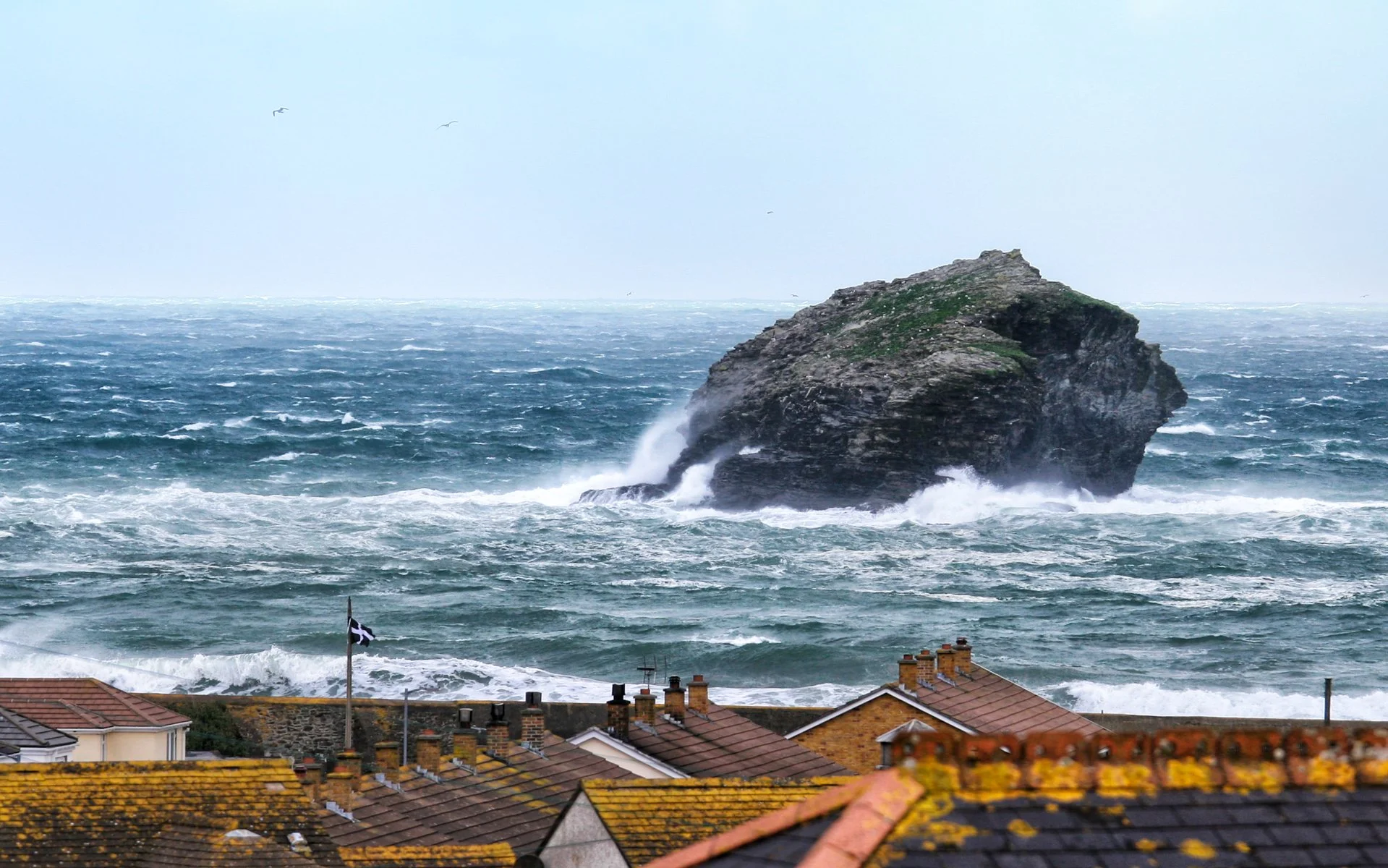
Gull Rock Portreath
Daniel Hillier
-
![]()
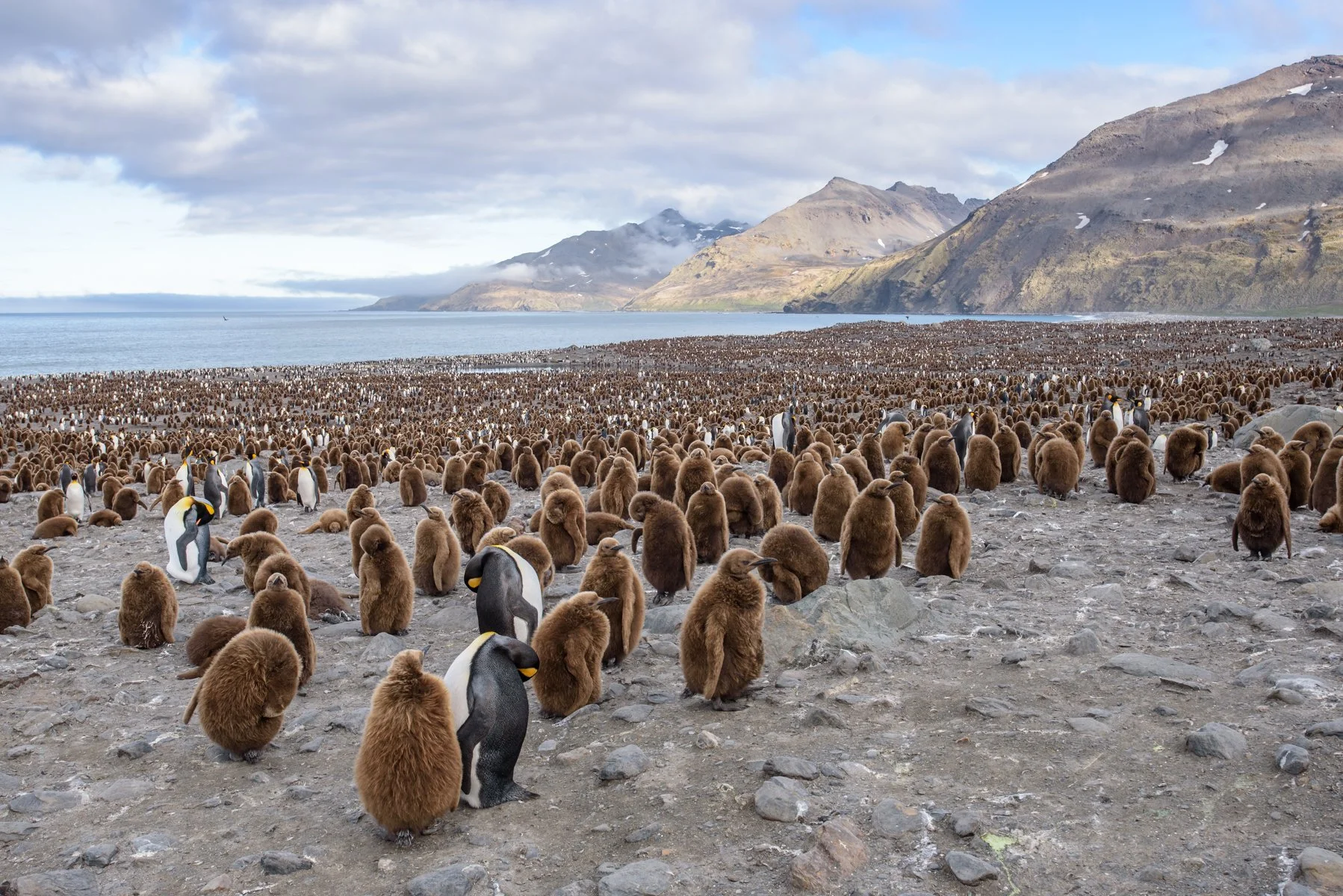
Saint Andrews Bay
Paul Balfe
-
![]()
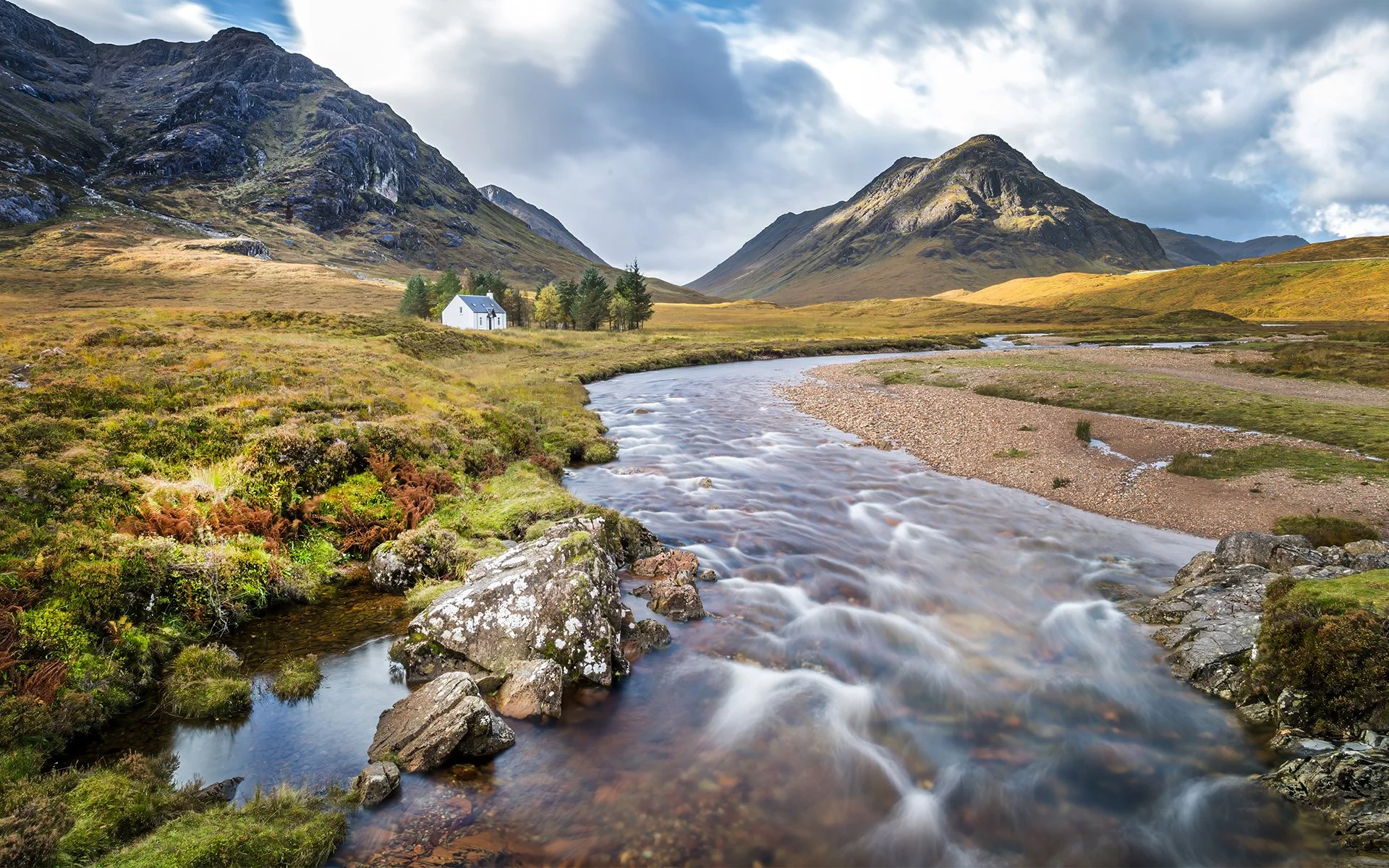
Glencoe
Jeff Basley
-
![]()
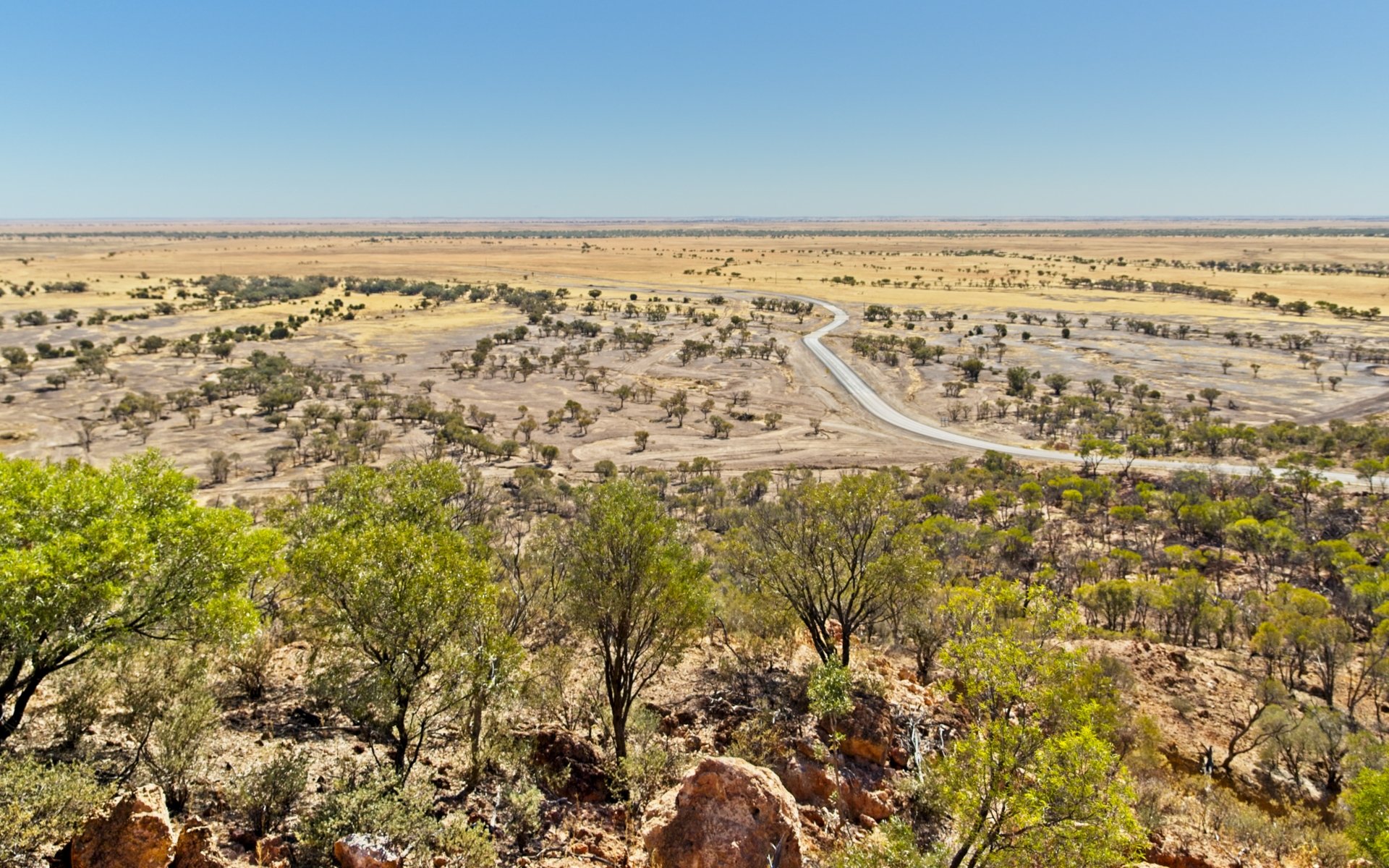
Outback Qld
Allan Davis
-
![]()
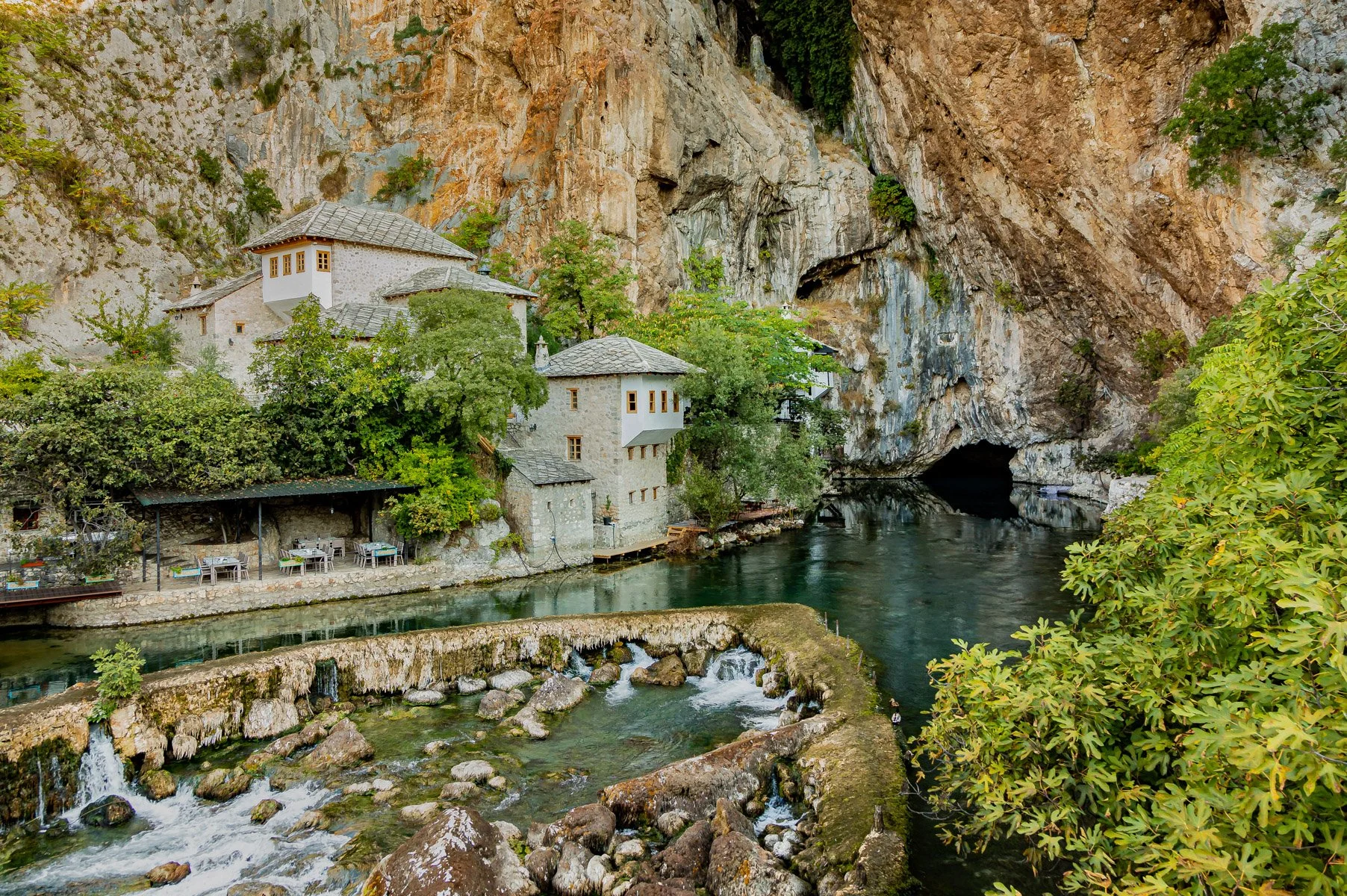
BlagajTekija Bosnia
Ronnie Bloye
2026 Topic Defintions
-
Creative
Creative photographs display a novel effect because of an unusual combination of objects and / or unusual view point. Photographs in which the images have been modified during or after exposure by using an experimental technique are also eligible in Creative sections.
The photograph must always have a basic photographic image. Digital manipulation processes may be employed providing the original photograph was exposed by the entrant and Digital manipulation was performed by the entrant.
All images must be original and may not incorporate elements produced by anyone else. Artwork or computer graphics generated by the entrant may be incorporated if the original photographic content predominates. Images may not be constructed entirely within a computer.
Juxtaposition
The deliberate placment of two or more contrasting elements side by side within a frame. Juxtaposition can be achieved through various means such as contrasting colours, sizes, shapes, textrues or ideas. Juxtaposition can serve to create tension, irony or a thought-provoking effect in the photo which can stimulate the viewers imagination.
-
A photograph of a person or persons that may range from a head study to a full body length. This section includes candid photographs and formal portraits. Ensure the person/s is the focal point in the picture. Must be a live human being (manikins, statues, ornaments will not be accepted).
-
Any work that is black, white or shades of grey. The content is unrestricted and may include creative images, with all forms of manipulation permitted.Any subject that is treated pictorially, embodying the elements of good design, arrangement or composition, which reflects the personal interpretation of the photographer.
-
Photojournalism (PJ)
Photojournalism entries are images with informative content and emotional impact, reflecting the human presence in our world. The journalistic (story-telling) value of the image should receive priority over pictorial quality. Images that misrepresent the truth, such as those from events or activities arranged specifically for photography, or of subjects directed or hired for photography, are not eligible.
Techniques that add, relocate, replace, remove or change any element in the original scene, except by cropping, are not permitted. All images must look natural. The only allowable modifications are removal of dust, scratches or digital noise and restoration of the appearance of the existing scene, or complete conversion to greyscale monochrome. Other derivations, including infrared, are not eligible.
Human Interest images depict a person or persons in an interactive, emotional, or unusual situation, excluding recreational or sports action.
Photo Travel
A Photo Travel image expresses the characteristic features or culture of a land as they are found naturally. There are no geographic limitations. Images from events or activities arranged specifically for photography, or of subjects directed or hired for photography are not allowed. Close up pictures of people or objects must include features that provide information about the location.
Editing Guidelines for Photo Travel:
Processing or editing must be limited to making the image look as close to the original scene as possible, except that conversion to grayscale monochrome is allowed.Allowed editing techniques:
Cropping, straightening and perspective correction.
Removal or correction of elements added by the camera or lens, such as dust spots, noise, chromatic aberration and lens distortion.
Global and selective adjustments such as brightness, hue, saturation and contrast to restore the appearance of the original scene.
Complete conversion of color images to grayscale monochrome.
Blending of multiple images of the same subject and combining them in camera or with software (exposure blending or focus stacking).
Image stitching – combining multiple images with overlapping fields of view that are taken consecutively (panoramas).
Editing techniques that are not allowed
Removing, adding to, moving or changing any part of an image, except for cropping and straightening.
Adding a vignette during processing.
Blurring parts of the image during processing to hide elements in the original scene.
Darkening parts of the image during processing to hide elements in the original scene.
All conversions other than to complete grayscale monochrome.
Conversion of parts of an image to monochrome, or partial toning, desaturation or over-saturation of color
*The photo Raw file may be requested, therefore do not submit photos for which you do not have a raw file.
-
Minimalism photography is distinguished by its simplicity, emphasising lines, shape, and form in its composition. Often featuring clean lines, geometric shapes, negative space and a limited colour palette, a minimalist image tells its story with as few elements as possible capturing only what is absolutely essential. It involves stripping away any unnessary distractions or clutter from the frame, leaving only the most essential elements to convey the intended message or evoke a specific mood.
-
The Open Colour topic is General. The content is unrestricted and may include creative images, with all forms of manipulation permitted. Mono / BW is not permitted.Any subject that is treated pictorially, embodying the elements of good design, arrangement or composition, which reflects the personal interpretation of the photographer.
-
Five (5) themed prints. The images should be connected by a common story/thread/idea.
Tip - Keep Portfolio images consistent:
Orientation and Sizing
Look and Feel
All colour or All BW
Tell a story ... *What do you want to say?
Colour of Print Matte must be either white, cream or black
The five images must be submitted as matted /mounted prints.
For further information, refer to the Competition Handbook. -
2023 PSA/FIAP Nature Division
Content Guidelines
Nature photography records all branches of natural history except anthropology and archaeology. This includes all aspects of the physical world, both animate and inanimate, that have not been made or modified by humans.Nature images must convey the truth of the scene that was photographed. A well-informed person should be able to identify the subject of the image and be satisfied that it has been presented honestly and that no unethical practices have been used to control the subject or capture the image. Images that directly or indirectly show any human activity that threatens the life or welfare of a living organism are not allowed.
The most important part of a Nature image is the nature story it tells. High technical standards are expected and the image must look natural.
Objects created by humans, and evidence of human activity, are allowed in Nature images only when they are a necessary part of the Nature story.
Photographs of human-created hybrid plants, cultivated plants, feral animals, domesticated animals, human-created hybrid animals and mounted or preserved zoological specimens are not allowed.
Images taken with subjects under controlled conditions, such as zoos, are allowed.
Controlling live subjects by chilling, anaesthetic or any other method of restricting natural movement for the purpose of a photograph is not allowed.
Editing Guidelines
Processing or editing must be limited to making the image look as close to the original scene as possible, except that conversion to grayscale monochrome is allowed.Allowed editing techniques:
Cropping, straightening and perspective correction.
Removal or correction of elements added by the camera or lens, such as dust spots, noise, chromatic aberration and lens distortion.
Global and selective adjustments such as brightness, hue, saturation and contrast to restore the appearance of the original scene.
Complete conversion of color images to grayscale monochrome.
Blending of multiple images of the same subject and combining them in camera or with software (exposure blending or focus stacking);
Image stitching - combining multiple images with overlapping fields of view that are taken consecutively (panoramas);
Editing techniques that are not allowed:
Removing, adding to, moving or changing any part of an image, except for cropping and straightening.
Adding a vignette during processing.
Blurring parts of the image during processing to hide elements in the original scene.
Darkening parts of the image during processing to hide elements in the original scene.
All conversions other than to complete grayscale monochrome.
Conversion of parts of an image to monochrome, or partial toning, desaturation or over-saturation of color
Attention is drawn to the PSA Statement on Subject Matter which applies to all sections
There is one hard and fast rule, whose spirit must be observed at all times.
The welfare of the subject is more important than the photograph. This means that practices such as baiting of subjects with a living creature and removal of birds from nests, for the purpose of obtaining a photograph, are highly unethical, and such photographs are not allowed in Nature topics. Judges are warned not to reward them.*The photo Raw file may be requested, therefore do not submit photos for which you do not have a raw file.
-
Red Apple
An image in which a single red apple is a clearly intentional element of the photograph. The apple may be used literally or symbolically, and should be central to the concept, story or visual structure of the image. The apple can be used in any genre and interpretation is completely open.
Portrait of a Person in a Chair
An image in which a person is seated on a chair. Any genre can be used, and interpretation is completely open. Entries must not be a photograph taken at a club or workshop model shoot.
-
The End of Year photo can be any theme or subject. Digital Only. The content is unrestricted and may include creative images, with all forms of manipulation permitted.
Any subject that is treated pictorially, embodying the elements of good design, arrangement or composition, which reflects the personal interpretation of the photographer. Images may be colour or black and white.This image does not contribute towards your overall critique score. It’s an image shared as part of our end of year celebration.
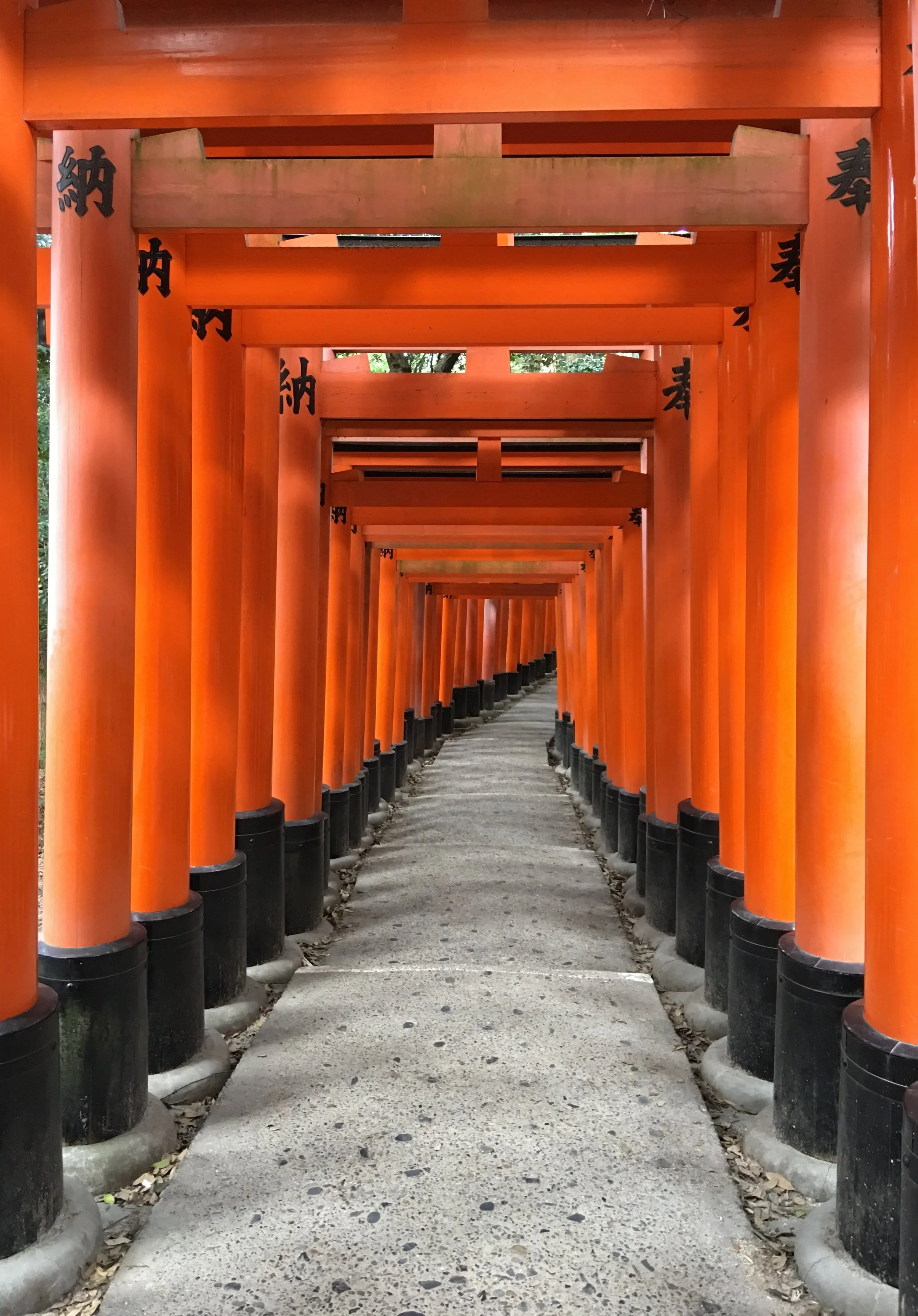
Fushimi Inari - Vanessa Pike-Russell